
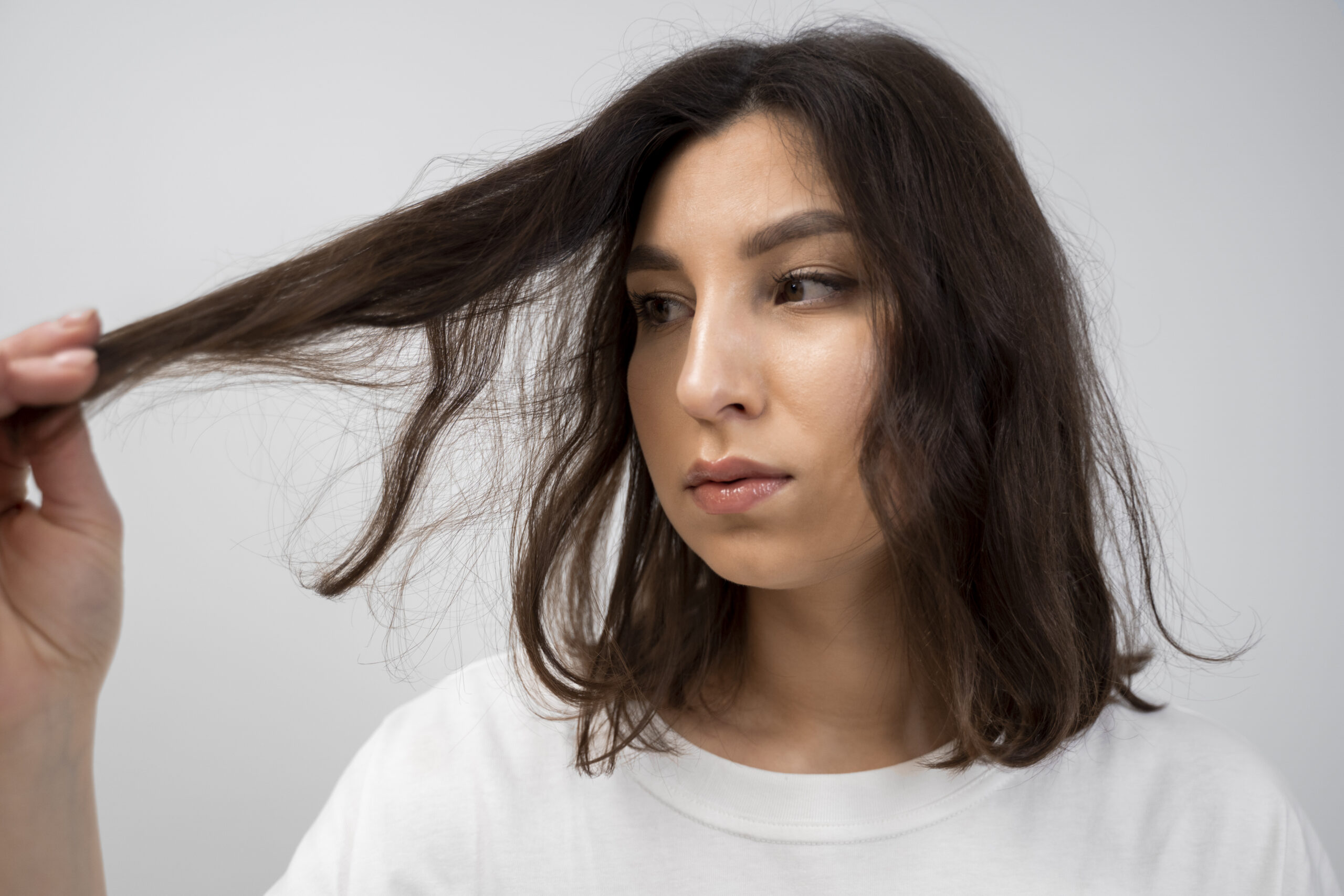
In the sweltering heat and icky humidity of Chennai, hair goes all frizzy and untamed. For hair of all types, keeping frizz at bay is an endless mission when the average humidity lingering in the air hovers around the 60% to 80% range. This humidity causes the hair shaft to expand (or swell), making it limp and hard to style.
Hair Care in Chennai’s humidity is all about finding the right balance of moisture, Anti-Humidity products, using less heat styling and deep conditioning. Use lightweight serums, put hair in protective styles, and keep washes to a minimum to check the frizz and maintain happy tresses. Here are the best hair care tips for Chennai’s Humid weather.
Key Highlights
- Humidity causes frizz by lifting the hair cuticle and breaking hydrogen bonds, making hair expand, puff, and lose shape.
- Use sulfate-free shampoos and avoid heavy silicones to control oiliness and reduce moisture absorption.
- Deep conditioning is essential to balance protein and moisture weekly for smoother, stronger, and frizz-free hair.
- Anti-humidity serums (dimethicone, cyclomethicone, argan oil) create a barrier that prevents moisture from entering the hair shaft.
- Limit heat styling since it increases porosity and worsens frizz; switch to strategic air-drying methods like plopping or leave-in products.
- Clean your scalp regularly with scrubs or natural remedies (tea tree oil, neem, ACV rinse) to remove sweat, buildup, and prevent dandruff.
- Nutrition matters, hydrate well and eat protein, iron, omega-3, zinc, and vitamin-rich foods to improve hair strength and reduce humidity damage.
- Switch to silk or satin pillowcases to reduce overnight friction, frizz, and breakage caused by cotton surfaces.
Learn how humidity affects your Hair
Before we get into solutions, let’s break down what humidity really does to your hair. Strands of hair are made up of proteins known as keratin, which engage in hydrogen bonding. Dry, these bonds are stable; moisten, and the water molecules present in the air will cause the hydrogen or salt bonds to break apart and, in turn, re-attach to hair proteins.
This is due to the hair shaft swelling and becoming naturally distorted. In naturally straight hair, this could translate to losing smoothness and gaining random waves or frizz. On wavy or curly hair types, which can manifest as extreme frizz, undefined waves and curls, and puffy-looking hair. In humidity, the outer layer of your hair, also known as the cuticle, lifts and expands, so hair looks dull and feels rough.
The climate of Chennai is weirdly unusual with the moisture content in the atmosphere always at a high. Where other cities have seasons, here is where the denizens must reckon with waterlogged air year-round. Heat and humidity also cause your scalp to sweat more, which can result in product buildup, oiliness, or dandruff if not handled properly.
Those with colour-treated or chemically processed hair struggle to an even greater extent. The cuticle, which is the outer protective layer of each hair strand, gets ruined through chemical treatments in a way that it becomes porous and can absorb more moisture. That’s one reason colored hair frequently does worse in humidity than virgin hair.
Knowing all this science will enable you to make better decisions about products and routines. You’re overriding your hair’s natural inclinations, but in a way that makes it still like what you are doing to it, while you neutralise the power of humidity.
7 Best Hair Care Tips for Humid Weather in Chennai
- Change to Sulfate-Free and Silicone-Light Shampoos
Correct shampooing serves as the foundation for good hair care in humid weather. A lot of conventional shampoos contain heavy stripping sulphates such as sodium lauryl sulphate, which removes too much natural oil from your hair and scalp. And while you may think it is a good thing in hot, moist conditions, in reality, this just makes things worse.
If you strip your scalp of natural oils, it will just create more oil. You get what is known as a vicious circle, where your hair feels greasy just some hours post-washing. And the stripped hair, you see, is now more porous, absorbing even more moisture from the damp air and getting frizzier still.
Seek out shampoos with “sulfate-free” on the label, or those that use gentler cleansers like cocamidopropyl betaine or sodium cocoyl isethionate, which clean well without over-stripping. For Chennai’s climate, you need something kind of in between when it comes to shampoos that provide enough cleaning power for sweat and product buildup yet don’t strip too much.
Relations to silicones are a little trickier. The super-heavy silicones like dimethicone accumulate over time on the hair, making it lifeless and limp, especially in moist conditions. Water-soluble silicones do just fine, though — like cyclomethicone or dimethicone copolyol, which tame frizz without leaving residue. Those silicones sit on the hair shaft, providing a temporary barrier to humidity when it is better absorbed by that hair, and wash out.
2. Weekly Deep Conditioning with Protein and Moisture Equilibrium
You absolutely must have deep conditioning treatments if in humid climates to keep hair healthy. Not all deep conditioners are created equal, and the wrong type can contribute to your Chennai’s weather hair woes.
Your hair needs protein and hydration to be healthy. Protein treatments fortify the hair shaft and aid in sealing the cuticle to lessen frizz caused by humidity. Wet treatments add back moisture and help soften hair to keep it from becoming brittle. Finding that balance that works for you is the tricky part.
If hair feels mushy, too stretchy when wet, or undefined, opt for deep treatments containing hydrolysed proteins like keratin, wheat and silk protein. The small apple proteins can penetrate the hair shaft and repair from the inside out.
If your hair feels dry, brittle and prone to breaking, on the other hand, you need treatments that will care for moisture. Ingredients like shea butter, coconut oil, argan oil and glycerin are key to that mega hydration. These are a godsend for curly and coily types, which produce significantly less sebum than any other hair type.
The balanced approach is the best one for almost everybody in Chennai’s climate. A protein treatment once or twice a month should do, reserving moisture-rich deep conditioners for the other weeks. Apply your deep conditioner to cleaned, wet hair from mid-length to the ends. If you have oily roots (such as when it’s very humid out), keep the products off your scalp.
For optimal results, keep the treatment on for at least 20-30 minutes. Your hair should be soft and manageable when you rinse. If it feels sticky, or coated or too slippery, you have applied too much product or kept it on too long.” If you see no difference, you might need something more aggressive or to leave the product on a little longer.
3. Apply Anti-Humidity Serums
The proper styling products act as a shield and seal a barrier between your hair and Chennai’s muggy atmosphere. Anti-humidity serums coat the hair shaft with ingredients that repel moisture and prevent those hydrogen bonds in your hair from breaking and then reforming once again (and again) via water molecules in the air.
Turn to serums that include ingredients like dimethicone, cyclomethicone, or natural versions of the two, such as argan oil and marula oil. These produce a flat, closed cuticle that cannot be penetrated by external moisture. The trick is getting the right amount; not enough and it won’t do anything, too much and hair becomes greasy and weighed down.
Results are greatly influenced by the timing of application. Many of the anti-humidity products are best applied to damp hair before it’s completely dry. Thanks to the cuticle, hair is more absorbent. In this way, the serum locks in moisture and prevents external humidity from entering. Some of them may work on dry hair as well, but they don’t quite achieve the same results when used on dry strands.
If you do not wish to use a synthetic version, there are natural alternatives. Some aloe vera gel with argan oil mixed in a few drops makes a great anti-frizz treatment. Rice water (popular in Asian hair treatments) smooths your cuticle – adding a final rinse or leave-in spray.
4. Cut Back on Heat Styling, Air-Dry With a Game Plan
When staring at polished hair in the face, those heat styling tools get really tempting. But in Chennai’s sultry weather, heat styling is a disaster most of the time. The smooth-straight hair you create using just a flat iron ordinarily won’t survive the bit of humidity in the air once you step outdoors, and will revert to its original or frizzy texture.
Worst of all, repeated heat styling can destroy the outer layer of hair and increase its porosity. Moisture in the air will be soaked up by porous hair. What you end up with is worse frizz and quicker style flop. Now you’re caught in a vicious cycle: you feel the need to use more heat because of that frizz from styling with heat in the first place.
Air-drying is a good option in Chennai’s weather. But there’s a major difference in how you air-dry. If you let your wet hair air-dry without care, more often than not, it will be frizzy, unmanageable texture and be messy. Strategic air-drying that takes your hair texture into account and saves you from frizz.
Once your hair is still quite damp, work in your styling products, leave-in conditioner, curl cream or anti-frizz serum. This is a benefit for product distribution and performance. Spread with the “praying hands” method, smooth product down hair between your palms or do a scrunch if you have curly hair.
Try the “plopping” method on straight-to-wavy hair. Lay a t-shirt out flat, and toss your hair right on top of it before wrapping the shirt around your head to keep everything in place as it dries. This takes out the frizz and adds to natural waves without heat. Leave on for 20-30 minutes, then let hair dry fully.
If you can’t put down the heat tools, be sure to prep hair with a protectant. You can blow-dry in the humidity of summer, if you do it properly. Set your style with the cool shot button on your dryer. Cold air seals the cuticle, leaving hair smoother and less likely to frizz. Aim the nozzle down the hair shaft, not at it, to flatten and not disturb the cuticle.
5. Regularly Give Your Scalp the Gift of Cleanliness
The humidity in Chennai doesn’t attack just your hair, it attacks your scalp as well heat and moisture mixed. And thanks to sweat, product buildup and even bacteria, these environments all thrive when they are warm and wet. An ignored scalp can lead to a not-so-great scalp, including dandruff, stiffness, greasiness and even hair idling.
Scalp cleansing is more than what you already do with shampoo, only on a consistent basis. A couple of times a month, give your shampoo or scalp a scrub to clean away the buildup your regular shampoos leave behind: Product residue, extra sebum, dead skin cells and all sorts of environmental nasties build up on the scalp over time and clog follicles that can spell trouble.
The physical exfoliants in scalp scrubs are typically comprised of mild ingredients, such as sugar, salt or jojoba beads, that directly slough away build-up on your scalp. Work the scrub into wet hair, massaging in circular motions and concentrating on the scalp rather than the lengths. Spend at least 3-5 minutes doing this; beneficial for the circulation, and is also cleansing.
Your homemade spa treatments for the scalp are a blessing in Chennai’s weather. Brown sugar mixed with coconut oil is a very nice scrubbing mixture: sugar to exfoliate, coconut oil for tree-punching antibacterial properties to battle scalp problems. Then, there’s the yoghurt and lemon juice mask–yoghurt is calming for the scalp as the acidity in lemon works to strike a balance between pH levels and control oil.
The apple cider vinegar rinse is ideal for people with product buildup or dandruff. Dilute apple cider vinegar with three parts water and use it as a final rinse following conditioning. The acidity helps to seal the hair cuticle, which in turn lowers frizz and also adjusts the pH of your scalp. And don’t worry about the vinegar smell; as your hair dries, the odour will vanish.
For a humid climate, use tea tree oil as your scalp’s saviour. This Organic Oily Hair Shampoo is packed with powerful antimicrobial and anti-fungal tea tree oil, which enables it to prevent dandruff, head lice, dry and itchy scalp, along with the fungus that causes thrush, ringworm and jock itch. Mix 5-10 drops into your regular bottle of shampoo or dilute in a carrier oil for a pre-wash scalp treatment.
Neem, which is used in traditional Indian hair care, is a wonder ingredient that suits Chennai’s weather perfectly. Boil neem leaves in water to rinse the hair to prevent any scalp infections and keep your locks free from oil. It can be found at most beauty supply shops in India as a neem-based shampoo and scalp treatment.
Try to pay attention to the water temperature when you are washing your hair. There might be frustration, there may be hot water, things feel kind of nice, but then you strip the oils (the good natural ones) and you irritate your skin (and hence your scalp), and that irritation will cause more oil production. Lukewarm or cool water is more fitting for the Chennai weather, since it is just enough to clean without causing problems.
If you work out often or spend a lot of time outside, you may want to co-wash between your regular shampoo days. Co-washing is washing your hair with conditioner in place of shampoo.
And it gently removes sweat and light dirt without stripping with the harsh cleaning power of needing to shampoo daily, which disrupts scalp balance.
6. Take Your Water And Hair-Healthy Foods Correctly
Healthy hair begins with what you put in your body and can have a huge impact on how well it adapts to Chennai’s humid climate. Good nutrition ensures your body has what it needs to build strong, healthy hair that can more easily fend off environmental assaults.
Hydration is fundamental. Your hair shaft consists of roughly 25 per cent water, and when this level drops, hair becomes fragile, lifeless and more susceptible to damage. In hot weather in Chennai, we lose our water content due to sweating, so Hydration is essential. A minimum of 8-10 glasses of water a day is essential, extra if you engage in physical activities or are mostly out in the open.
As far as hair is concerned, a protein called keratin makes up the bulk of your hair. When you eat too little protein, the body has to ration it out among all of its functions; hair and nails aren’t its top priorities. Include protein from different sources in every meal: eggs, fish, chicken, lentils and dairy are all rich in the amino acids your body needs for strong hair growth.
Hair loss is mainly caused due to iron deficiency, and it occurs more commonly in women. Iron allows your red blood cells to carry oxygen to your hair follicles. When you don’t get enough iron, the follicles do not work as they should, which causes a lot of hair to fall out. Iron-rich foods are dark green, leafy vegetables such as spinach, beetroot and pomegranate, red meat and fortified cereals. Eat your iron-rich plant foods with a source of vitamin C to enhance absorption.
Omega-3 fatty acids are nourishing to the scalp and help promote hair growth. These kind-to-your-body fats also assist in your body producing natural juicy, which will help keep hair hydrated from the inside out. Omegas can be found in fish like salmon and mackerel, as well as walnuts, flaxseeds and chia seeds. If you are a vegetarian, look into using an algae-based omega-3 supplement.
The B vitamin biotin helps promote healthy hair growth. A lack can cause thinning and hair loss. Most people get plenty of biotin in their diets; if you’re concerned, eat more eggs, almonds, sweet potatoes and spinach. And tread lightly with biotin supplements: too much can mess with certain blood tests and lead to other issues.
Vitamin E is an antioxidant that repairs and protects tissue. This includes hair tissue. Vitamin E, which can be found in nuts, seeds and leafy greens. Some might apply vitamin E oil directly to hair and scalp, but dietary changes are the best way to achieve overall improvements in the health of your hair.
Zinc is important for constructing and maintaining hair tissue, but it also helps the oil-producing glands that surround the follicle to work properly. Without it, hair breakage and an itchy, dry scalp can occur. Great sources then are pumpkin seeds, chickpeas, mushrooms, and seafood.
Cut down on processed foods, sugar and unhealthy fats that can lead to inflammation because inflammation in the body may show up as scalp issues or crappy hair. While it’s fine to indulge occasionally, eating whole foods in their natural, unprocessed state will be more nurturing to your hair health.
7. Sleep on Silk or Satin Pillowcases and Hair Accessories
The havoc your hair takes overnight is always imperceptible, but it makes a world of difference to how hair looks or behaves in Chennai’s humidity. Cotton pillowcases and friction from coarser hair accessories roughen up the hair cuticle, creating even more frizz, breakage and tangles.
Silk and satin pillowcases also give a slick surface for hair to glide over instead of snagging and tangling. The difference in the amount of friction that occurs is tremendous since your head rolls and turns hundreds of times during the course of sleeping. With every one of those shifts on a cotton pillowcase, you are creating micro-damage to your hair’s cuticle. Now multiply that by every night, and the impact is cumulative.
Silk is made of a protein fibre, which has natural properties beneficial to the hair and skin. It is soft and hypoallergenic, and it doesn’t wick moisture from hair like cotton. Satin pillowcases deliver all of the same benefits at a more affordable price point. Satin is typically woven from polyester in a manner that produces an incredibly smooth and slippery surface. While it’s not quite silk, satin offers many of the same hair-protecting benefits.
Bonnets and sleep caps in silk or satin, meanwhile, protect all your hair at once. These accessories are adopted by many members of the curly hair community, but can be used by all. A well-fitted bonnet will help stay on throughout the night and protect against any friction damage. Seek bonnets with elastic that’s just tight enough to stay in place, but not so snug that it gives you headaches or breaks your hair along the edges.
Claw clips are making a comeback for good reason; they hold your hair in place without pulling or breaking it. But these, too, must be used correctly. Don’t clip your hair, which is more susceptible to breakage and damage; don’t wear your clips in the same location day after day, since they can lead to weak points and breakage.
If they are too tight or made of rough material, headbands can cause friction damage. Choose padded headbands or styles in smooth materials instead. Even the place out every so often to keep from putting too much pressure on your hair sections.
FAQs
1. How often should I wash my hair in Chennai’s humid weather?
A: Wash your hair 2-3 times per week for most hair types. Daily washing strips natural oils and makes hair more porous. If you exercise or sweat heavily, use a co-wash between shampoo days to stay fresh without over-cleansing.
2. Which ingredients should I avoid in hair products for humid climates?
A: Avoid heavy sulfates like SLS, glycerin in high concentrations, and heavy silicones like dimethicone that cause buildup. These ingredients either strip hair or weigh it down, making humidity problems worse in Chennai’s weather.
3. Can I use coconut oil on my hair in humid weather?
A: Yes, but apply it sparingly on ends only, not the scalp. Coconut oil works best as a pre-wash treatment or nighttime mask. Use lightweight oils like argan for daily styling to avoid greasy, heavy hair in humidity.
4. Why does my hair get frizzy immediately after stepping outside?
A: Humid air contains water molecules that break hydrogen bonds in your hair, causing the shaft to swell and frizz. Using anti-humidity serums creates a protective barrier that prevents external moisture from penetrating your hair cuticle.
5. Do hair supplements really help with humidity-related problems?
A: Supplements strengthen hair from within but don’t directly combat humidity. Biotin, omega-3s, and iron improve overall hair health, making strands stronger and less prone to damage. Combine supplements with proper external care for the best results.
6. How long does it take to see results from changing my hair routine?
A: Minor improvements like reduced frizz appear within 2-3 weeks. Significant changes in hair texture and health take 3-6 months since hair grows slowly. Be patient and consistent with your new routine for lasting transformation.
7. Is hard water in Chennai really damaging my hair?
A: Yes, Chennai’s hard water contains calcium and magnesium that build up on hair, making it dull and rough. Install a shower filter or use clarifying shampoos monthly to remove mineral deposits and improve hair texture noticeably.
8. Should I use different products during monsoon season?
A: Slightly adjust your routine during the monsoon. Use lighter products since the air is extremely humid. Increase clarifying treatments to remove excess buildup from moisture, and consider more protective hairstyles to manage unpredictable weather and wetness.
9. Can heat styling ever work in Chennai’s humid climate?
A: Heat styling provides temporary results that fade quickly in humidity. If you must use heat tools, apply heat protectant, use medium temperatures, and finish with cool air to seal the cuticle. Air-drying with proper techniques works better long-term.
10. What’s the single most important tip for managing hair in humidity?
A: Maintain moisture balance inside your hair while keeping external humidity out. Deep condition weekly, use anti-humidity serums on damp hair, and protect your hair cuticle through gentle handling. Healthy, moisturised hair resists humidity better than damaged hair.
Conclusion
Haircare in Chennai involves appreciating the impact of moisture on the structure of hair and putting protective measures into practice. With advice that ranges from product choice to modifying your routine based on what type of hair texture you have, the seven best hair care tips in this guide take a holistic approach to the problem of how to keep your locks in good condition and full of shine even when it’s blowing a gale outside.
And remember, hair care is extremely personal. What your friend loves might not work for your hair type or lifestyle. Try them out, give each change a while to make a difference, and adjust your hair accordingly. Perfection is not what you’re trying for; consistency is better than perfection; you are the type that’s going to work a basic plan every day rather than do an expensive one here and there.
Finally, come to embrace your hair for what it is. “Humidity will show you your true hair texture, and that’s something to be loved, not hidden,”. Straight, wavy, curly or coily hair is beautiful just as it comes out of the head when it’s healthy and happy. It’s not a fight against your hair; it’s to help your hair do the easiest, healthiest thing.
Are you prepared to change up your hair care and get rid of those bad hair days caused by humidity? Reach out to Salon Volume now to book appointments and receive personalised consultations from top expert hairstylists who are used to dealing with the kind of challenges your hair must face in Chennai. Our expert team will take into account the type and condition of your hair, discuss with you your worries and suggest a tailor-made treatment that fits into your daily routine.
So, do not let the weather in Chennai decide what should happen to your hair. We’ll help you achieve the smooth, beautiful hair that you’re asking for. Contact us today to book your consultation or visit our website (Home). Your best hair day is one appointment away!
Salon Volume – https://salonvolume.in/
Address – No.81,1st Floor, Velachery Main Rd, opp. Friends car accessories, Devi Karumariamman Nagar, Pallikaranai, Chennai, Tamil Nadu 600100
Contact/Whatsapp us – 9150582516
Visit our Instagram – https://www.instagram.com/salonvolumepallikaranai/